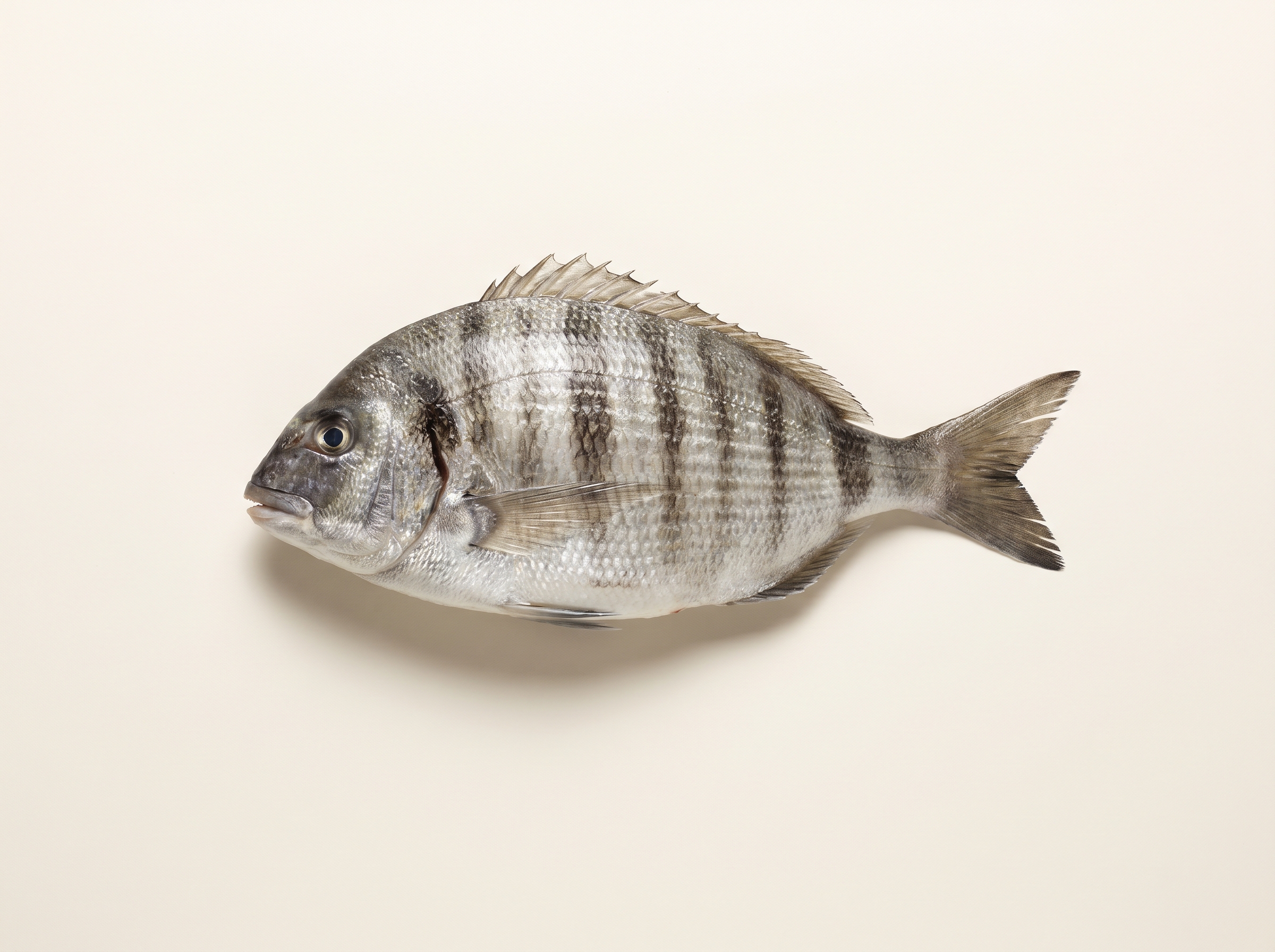
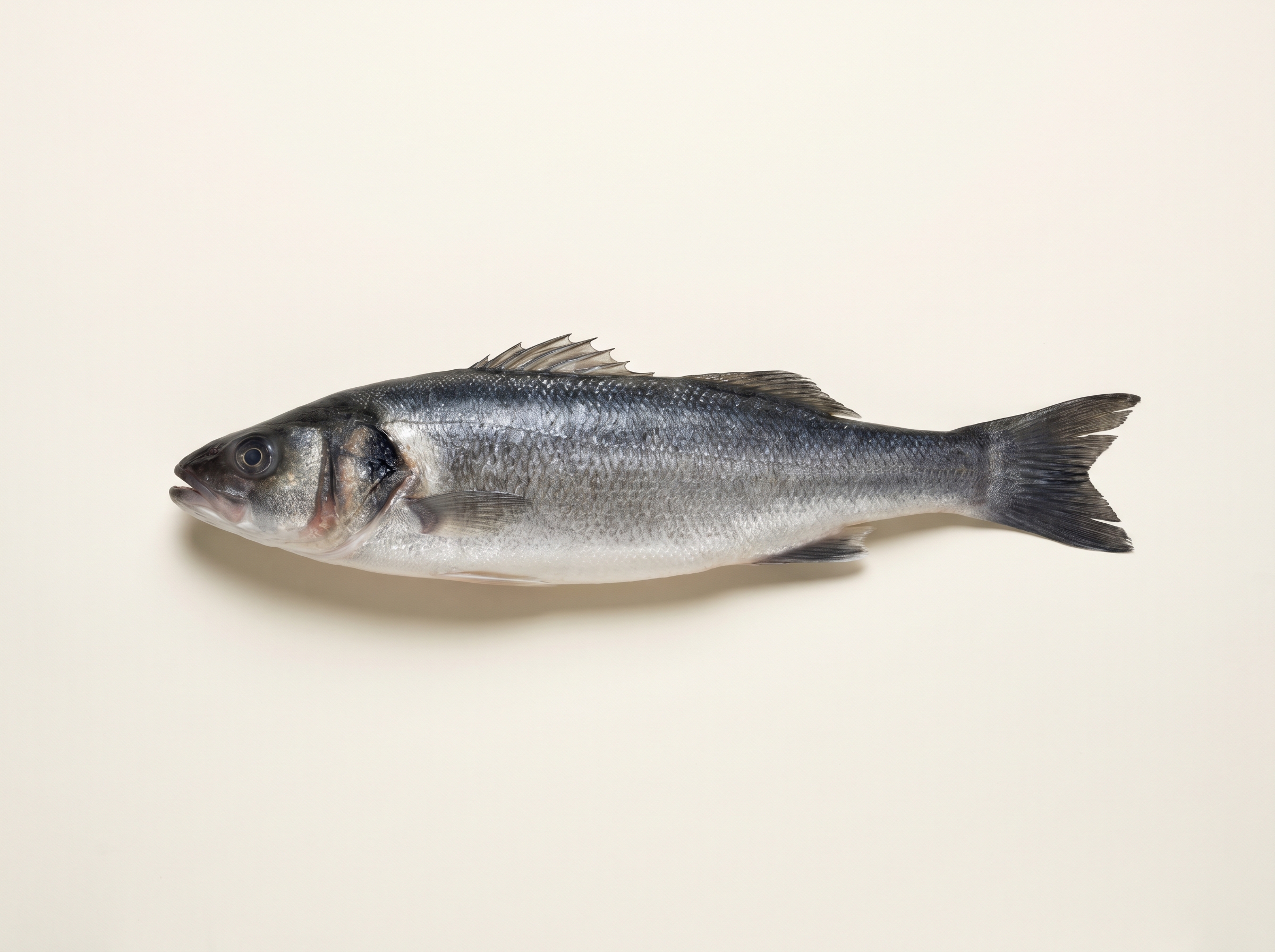
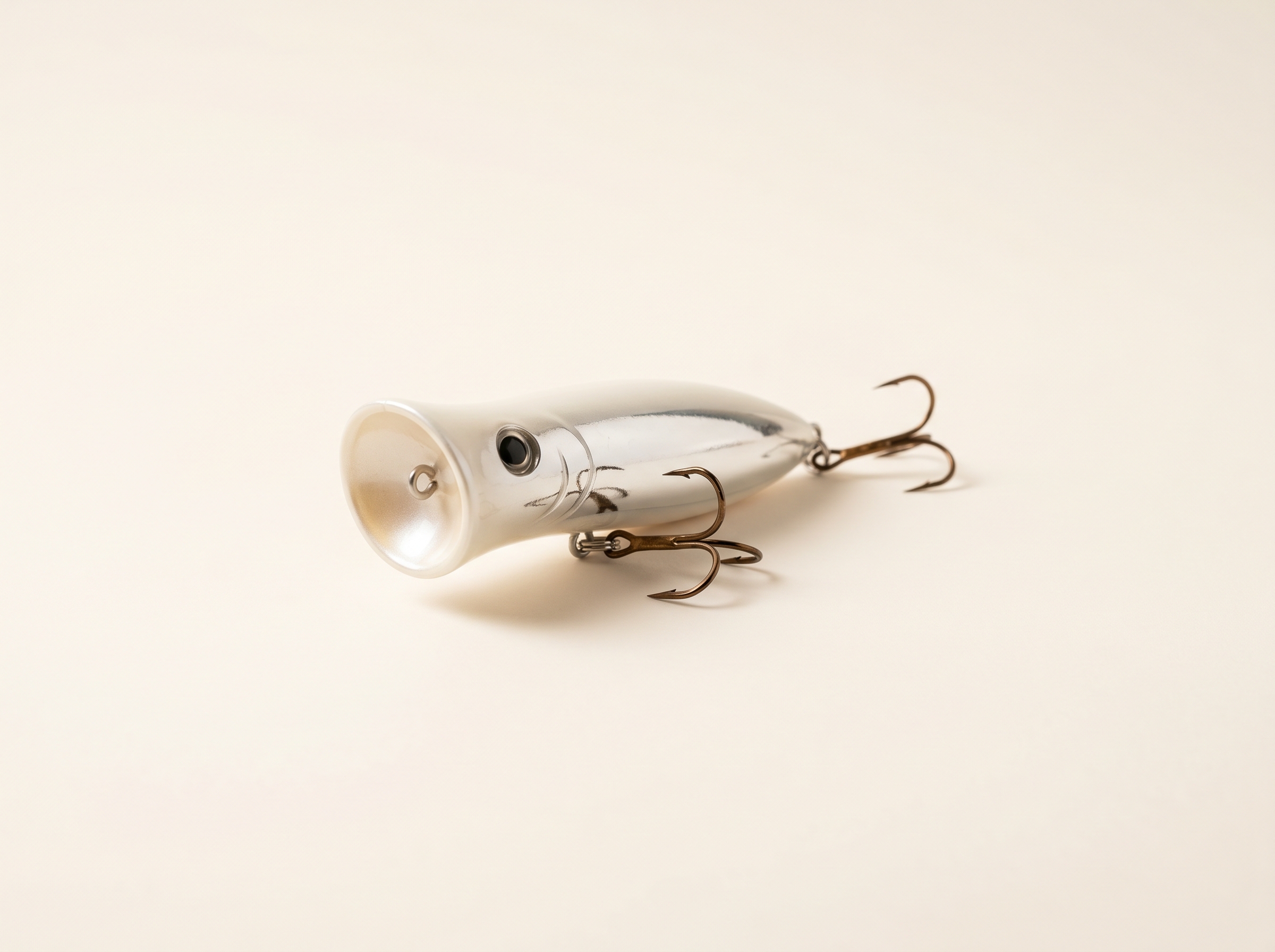
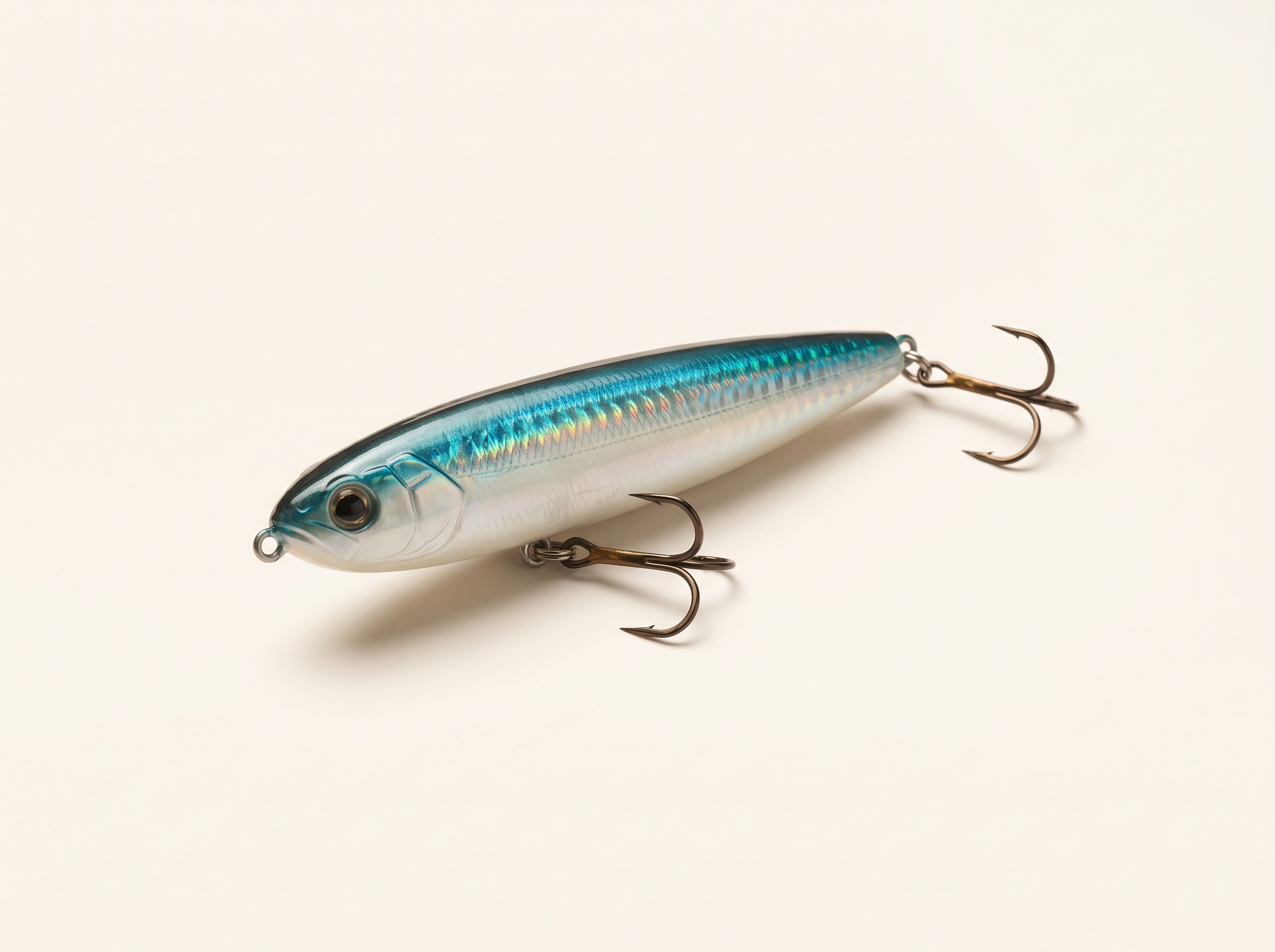
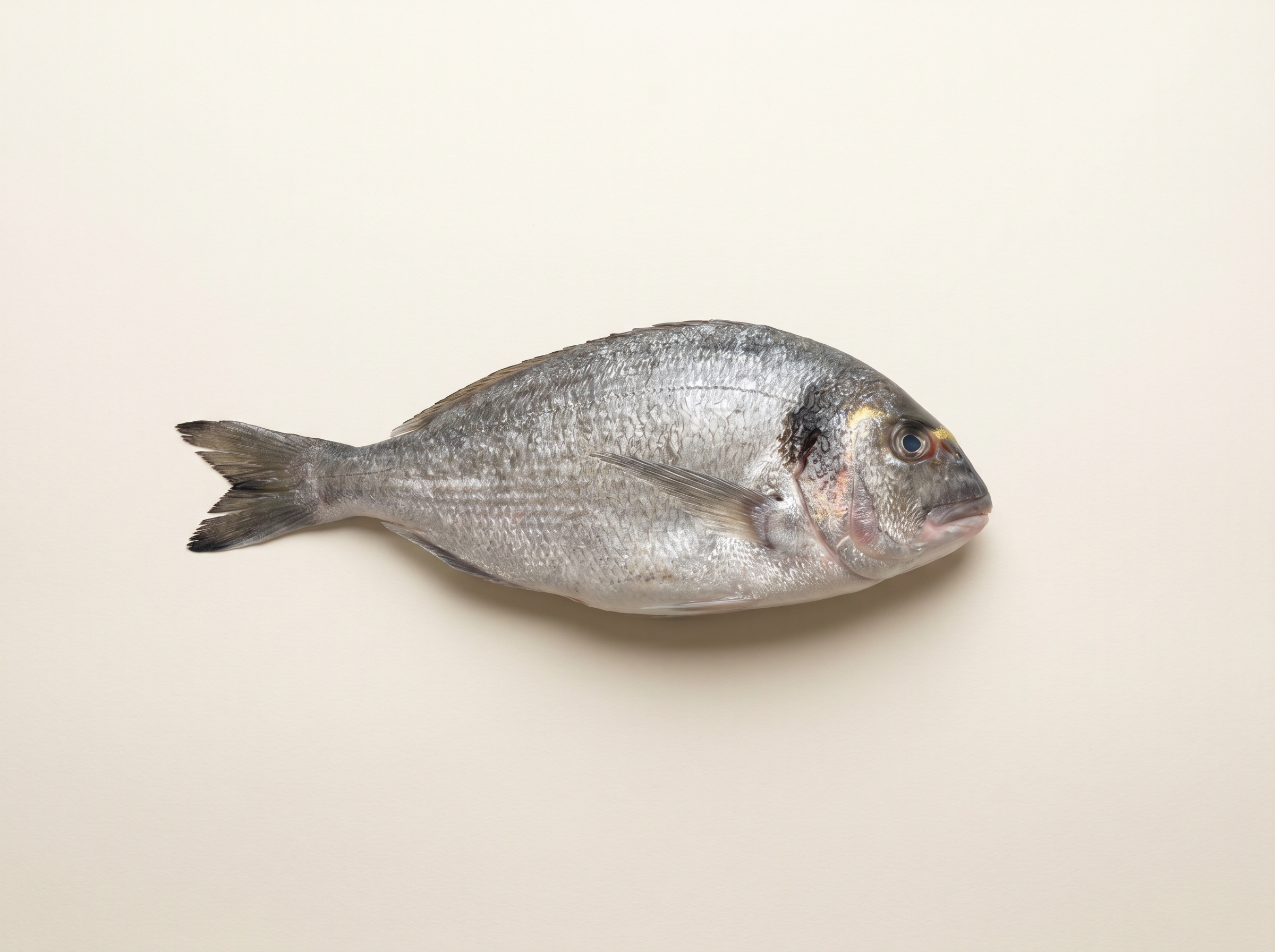
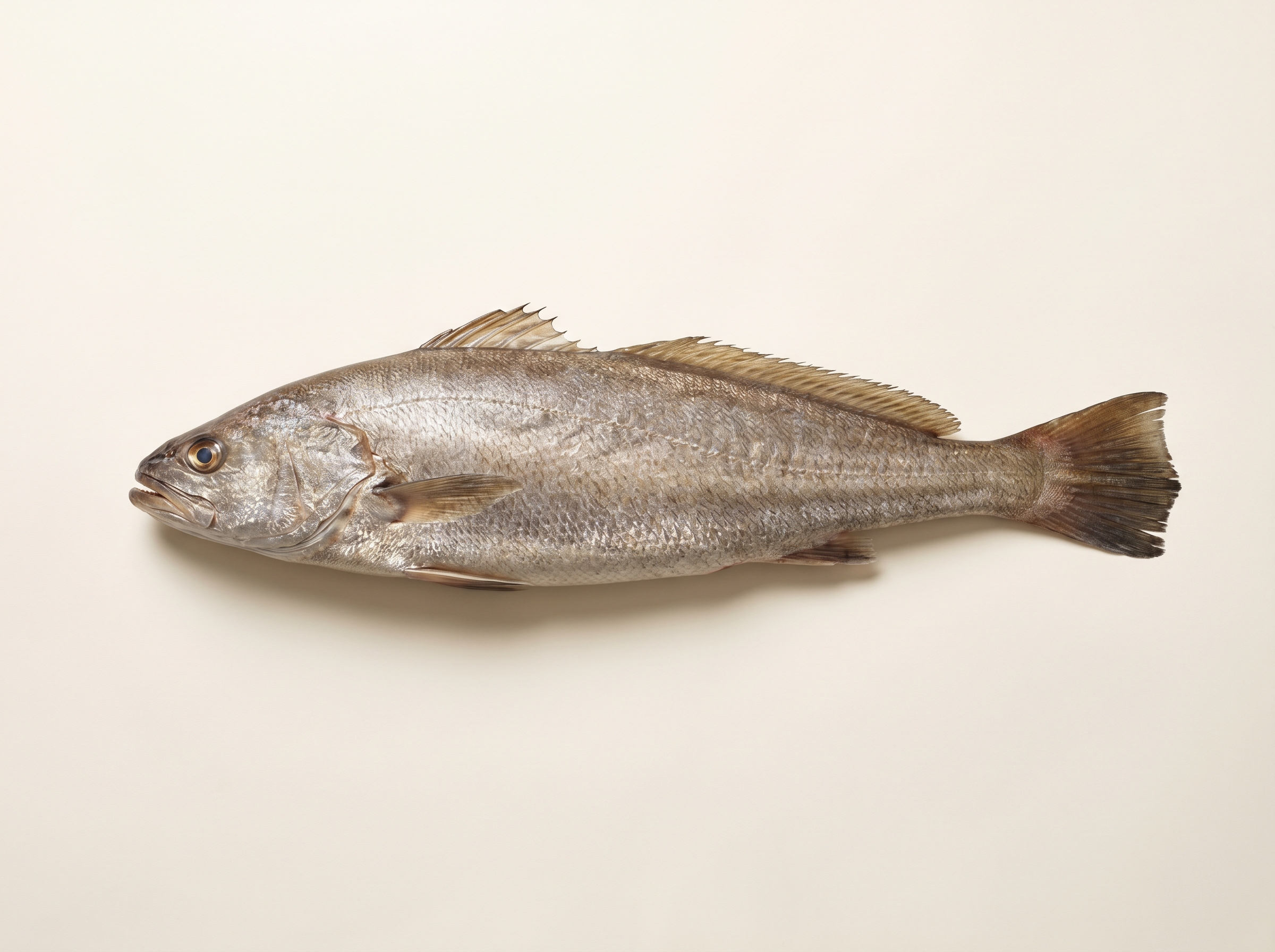
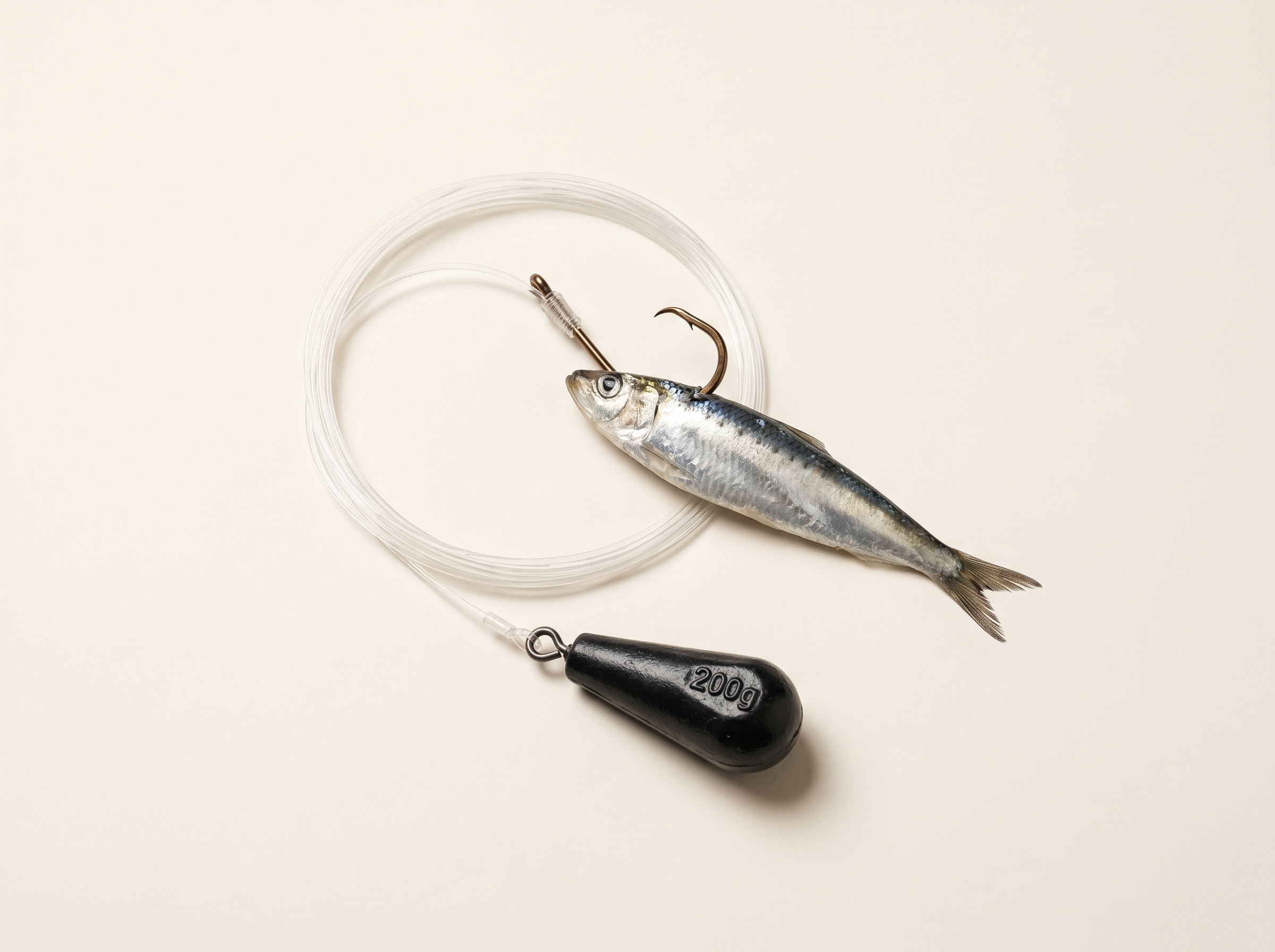
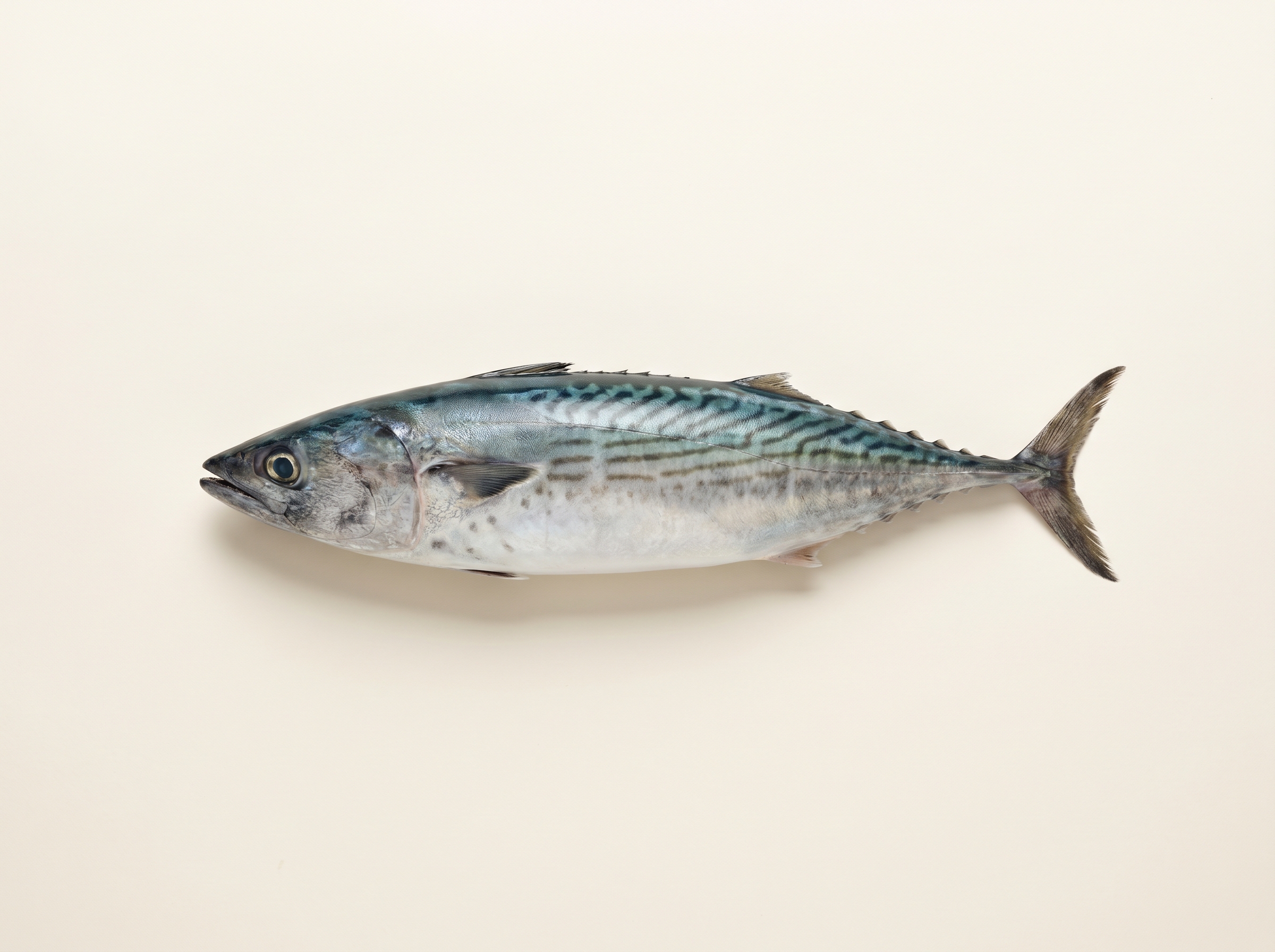
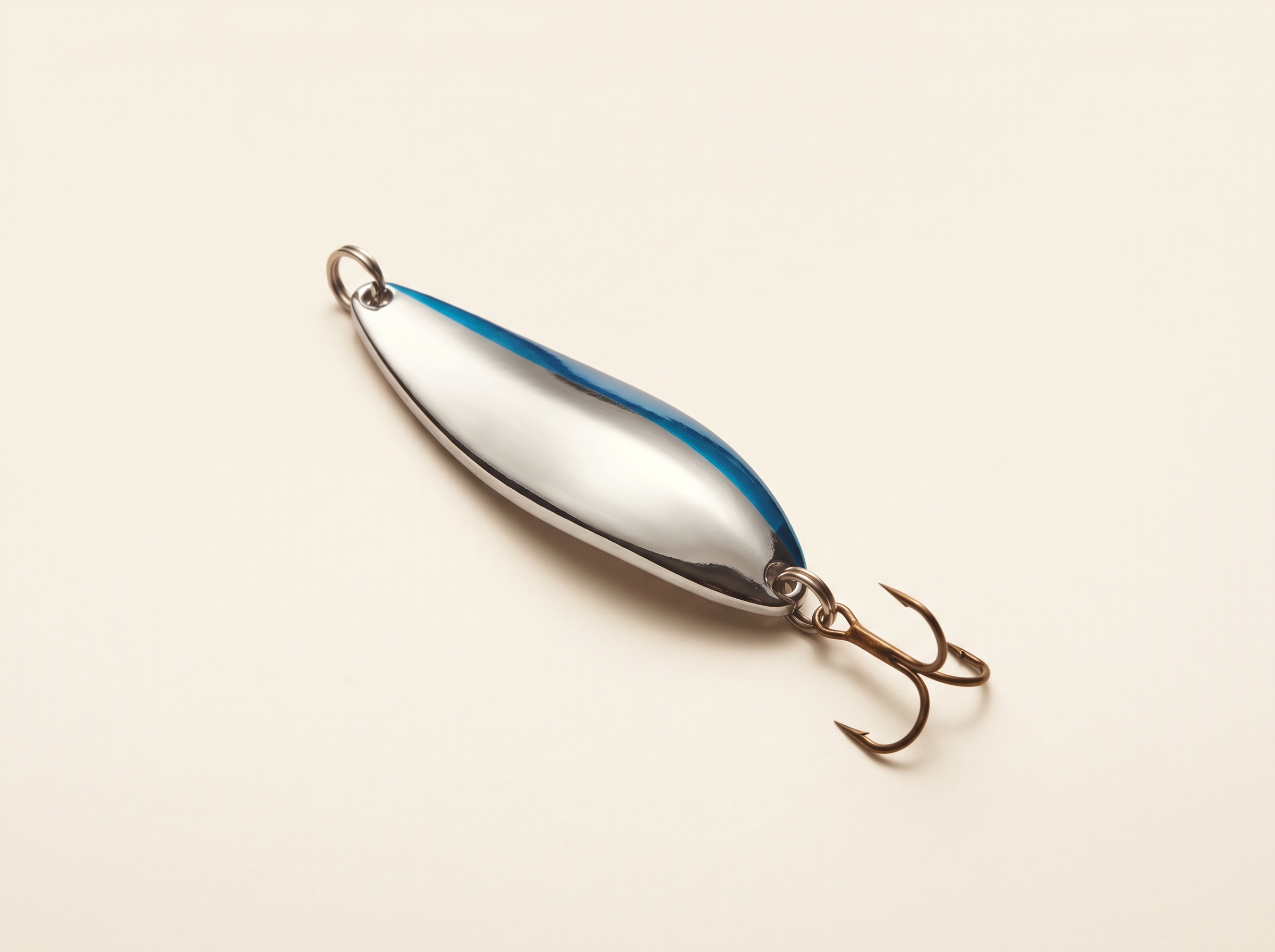
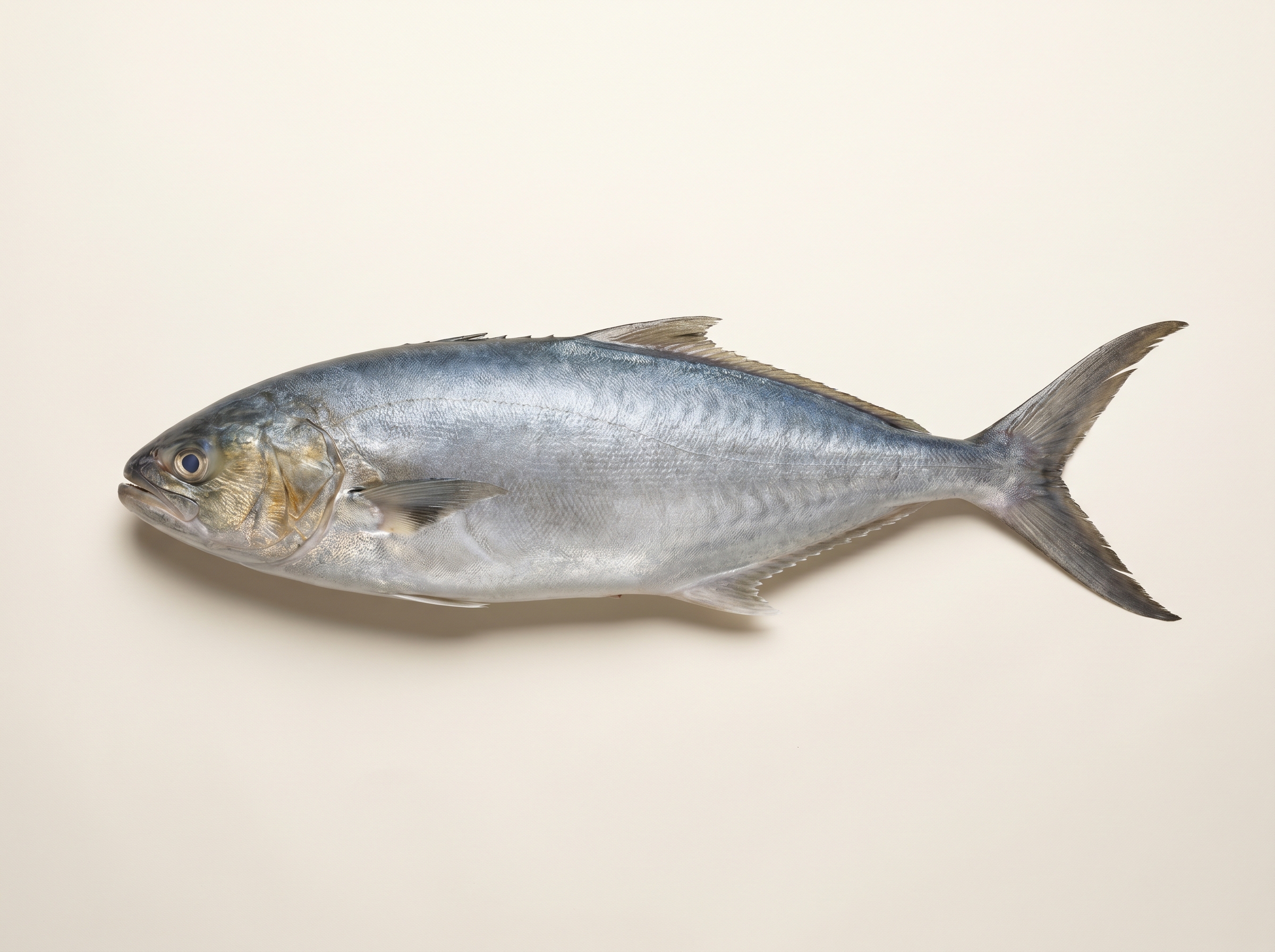
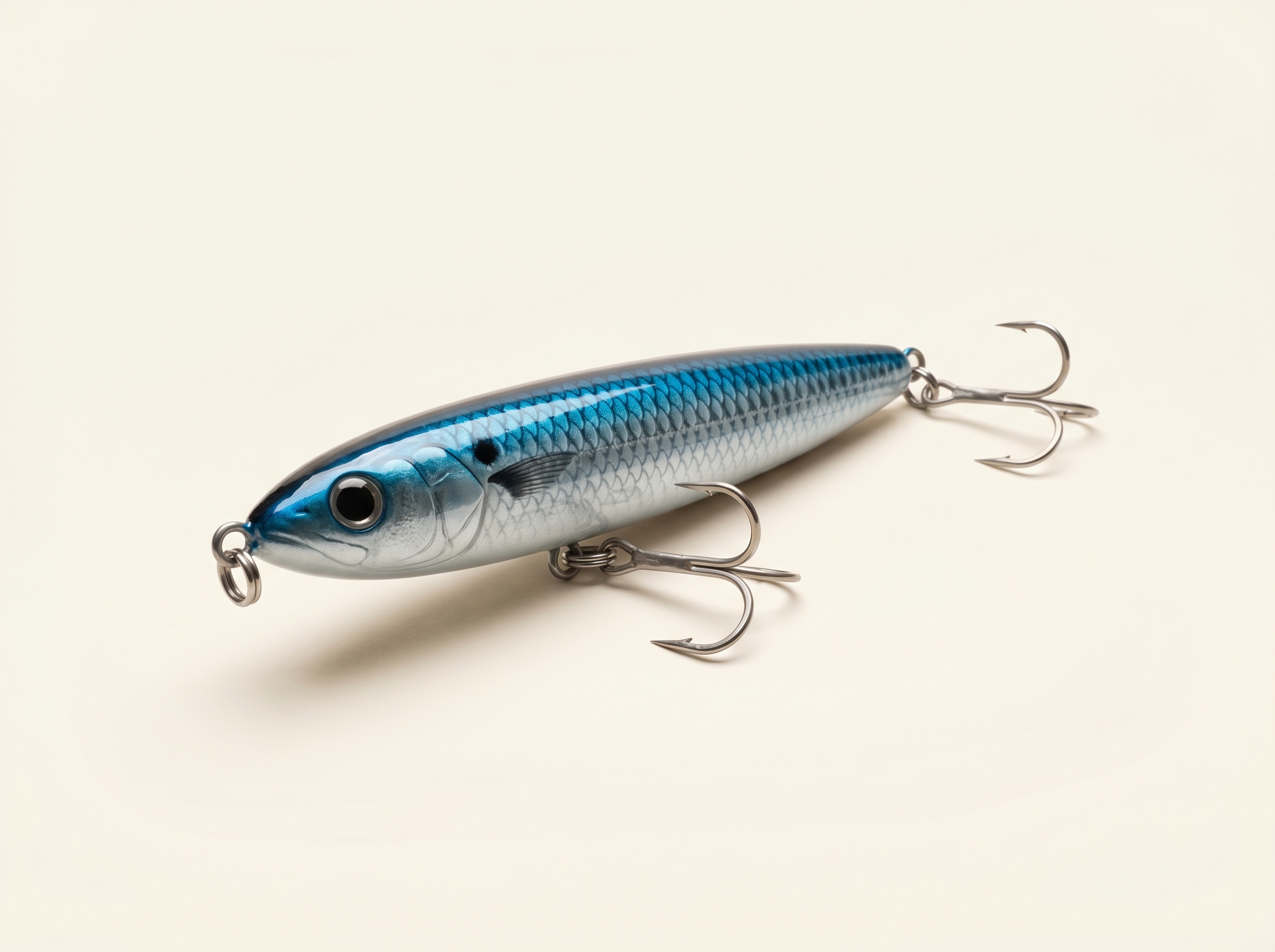
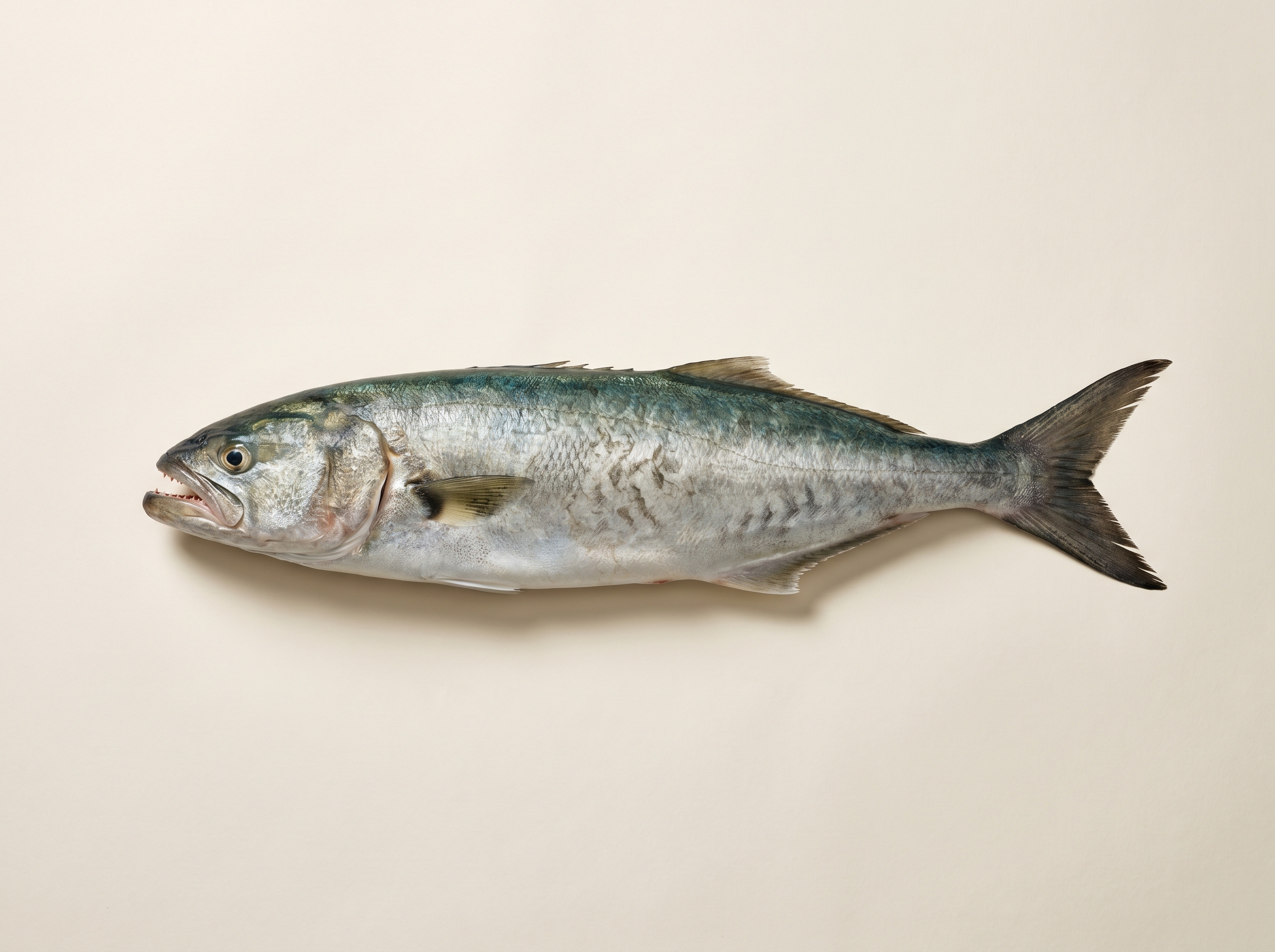
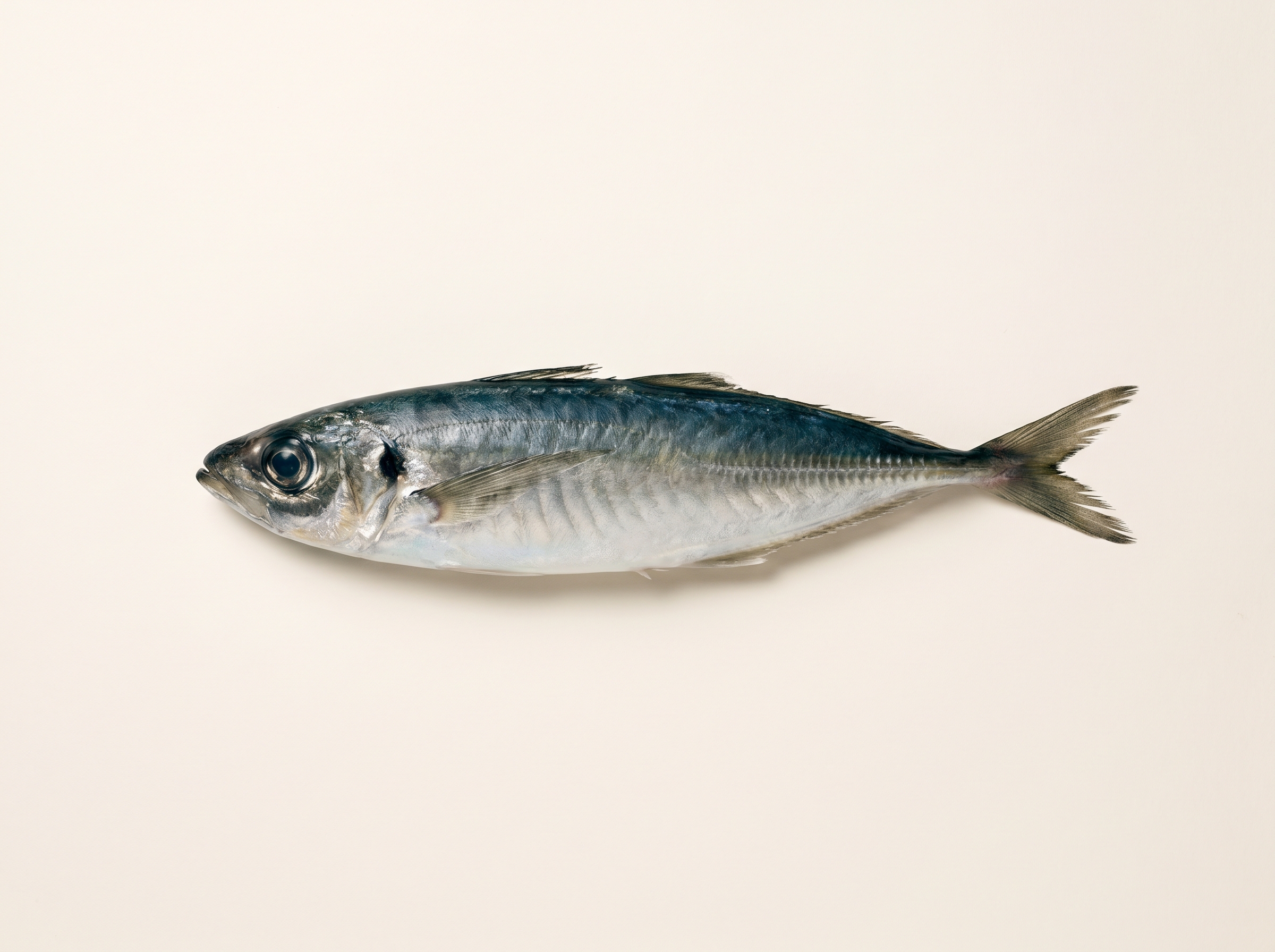
What you're hunting today, and what it actually takes to hook it. Use the filter above — it also drives the Lures & Bait section below.
Lane 2
Quantity
Kid
Size300 g–1.5 kg
SeasonOct–Mar peak, year-round
WhenDawn / dusk, daylight OK
Hit rate3–8 per session in season
LegalMin 23 cm · counts toward 4 kg/day total
Rod3.0–4.2 m beach/surf, 60–120 g
Reel4000–5000 spinner
Line0.30 mono or 0.20 braid + 0.30 fluoro
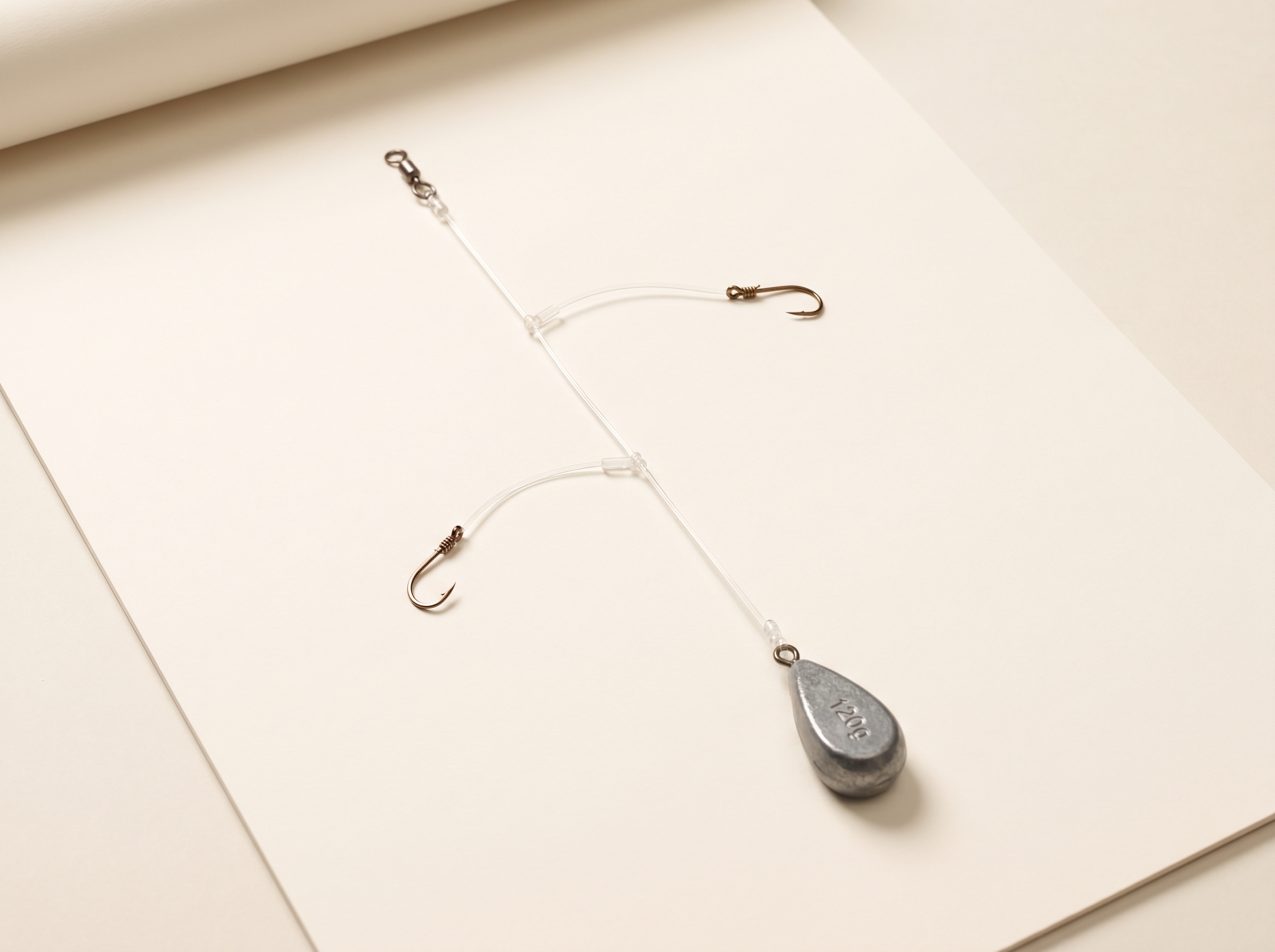
RigTwo-hook paternoster, hooks #4–6
BaitCangrejo blando (top), gusano de marea, tellinas
Localized — move 50 m if 20 min no bites. Groundbait the spot to hold the school.
Lane 1
Lane 2
Quantity
Trophy
Size500 g–3 kg, trophies 5 kg+
SeasonOct–Mar peak
WhenFirst/last light, post-storm
Hit rate0–2 per session
LegalMin 36 cm · 2 fish/day rec. · EU Med min
Rod3.0–3.6 m spin (40–80 g) or 4.0–4.5 m surf
Reel4000 spin or 5000–6000 surf
Line0.20 braid + 0.30 fluoro leader
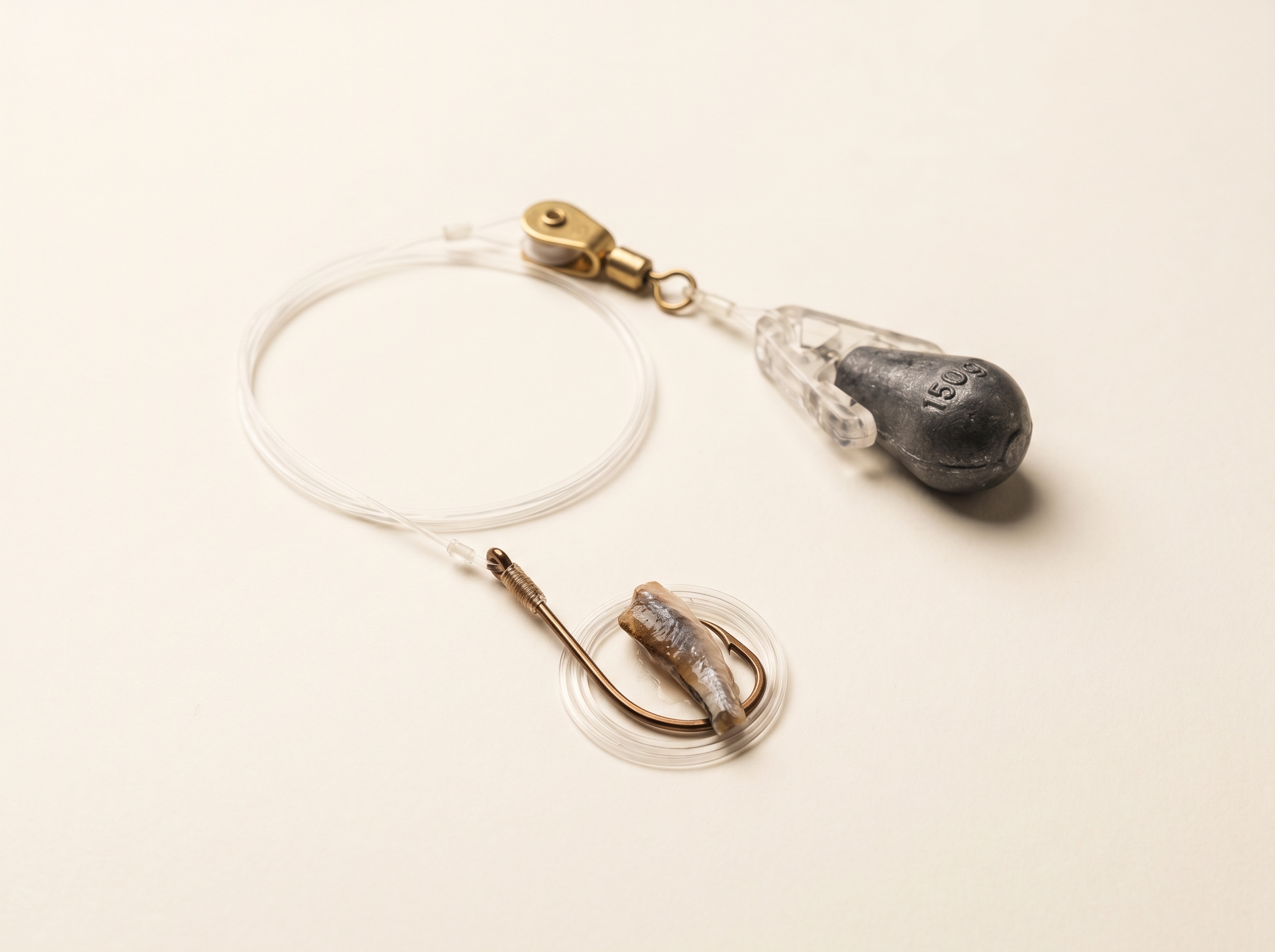
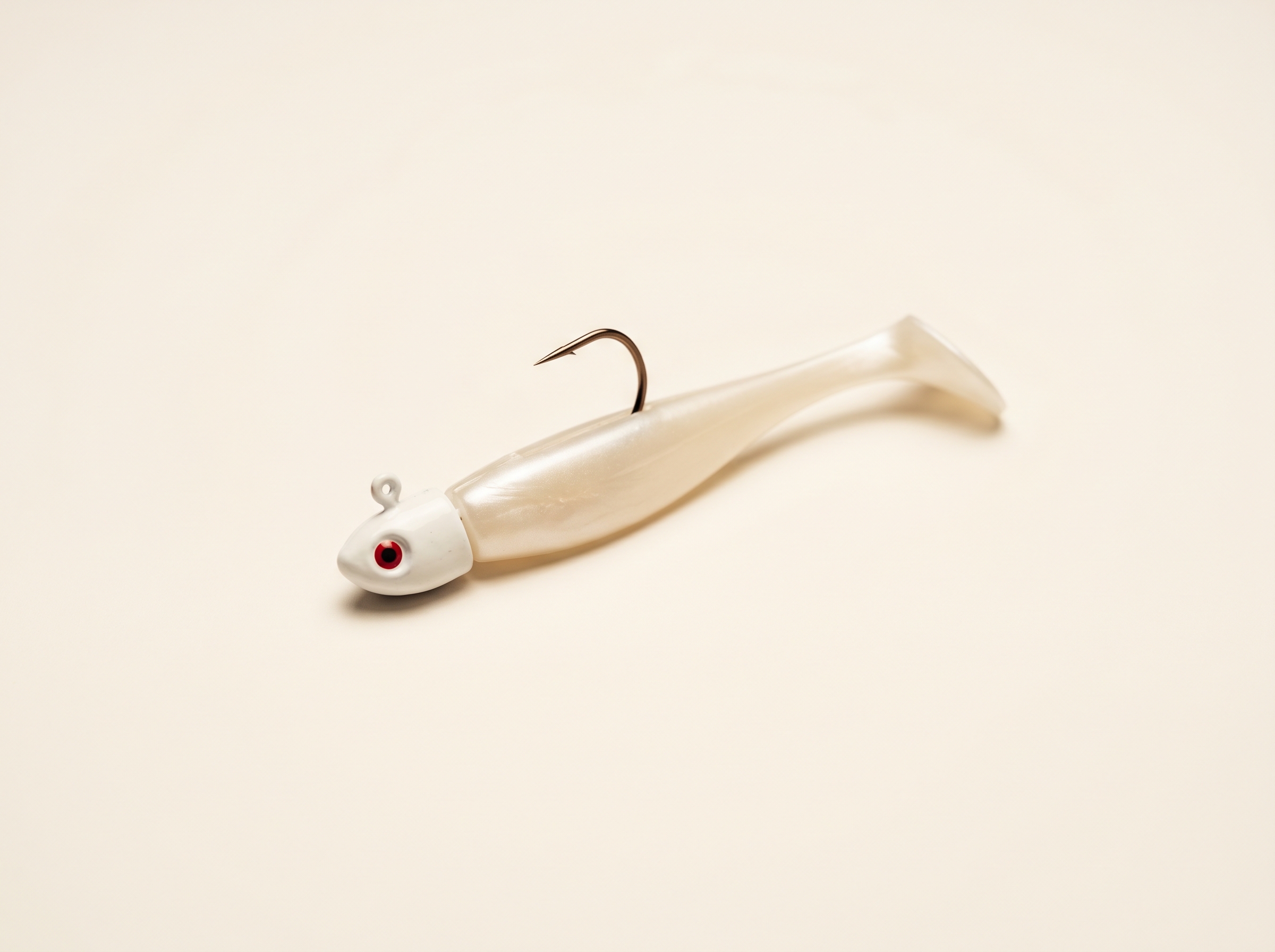
RigPulley rig OR 14 g jighead + soft plastic OR surface popper
BaitLive sardine, gusano, soft plastics, surface poppers
A marejada (post-storm churn) day is the lubina day. Plan the season around storms.
Lane 2
Quantity
Size400 g–1.5 kg, trophies 3 kg+
SeasonYear-round, slower in summer
WhenDaylight + dusk
Hit rate1–4 per session
LegalMin 20 cm · counts toward 4 kg/day total
Rod3.6–4.5 m surfcaster, 80–150 g
Reel4000–6000 surf spinner
Line0.30 mono with shock leader
RigPulley rig, single hook size 1–1/0
BaitTellinas, cangrejo, gusano
Strong jaw — set hooks firmly. Loves clean sand at the rocky-sand interface.
Lane 2
Trophy
Size2–8 kg, trophies 20 kg+
SeasonYear-round, peak Apr–Oct
WhenNight, especially 1–3 AM
Hit rate0–1 per session — but huge
LegalMin 45 cm rec. · slow grower — release the big breeders
Rod4.2–4.5 m heavy surf, 150–200 g
Reel6000–8000 sealed-drag surf
Line0.35 mono + 0.50 shock leader, or 0.25 braid + 0.50 fluoro
RigPulley rig, circle hook 4/0–6/0
BaitWhole fresh sardine, large gusano bouquet, live mullet
Bite is slow and committed. Let the rod load — do not strike a circle hook.
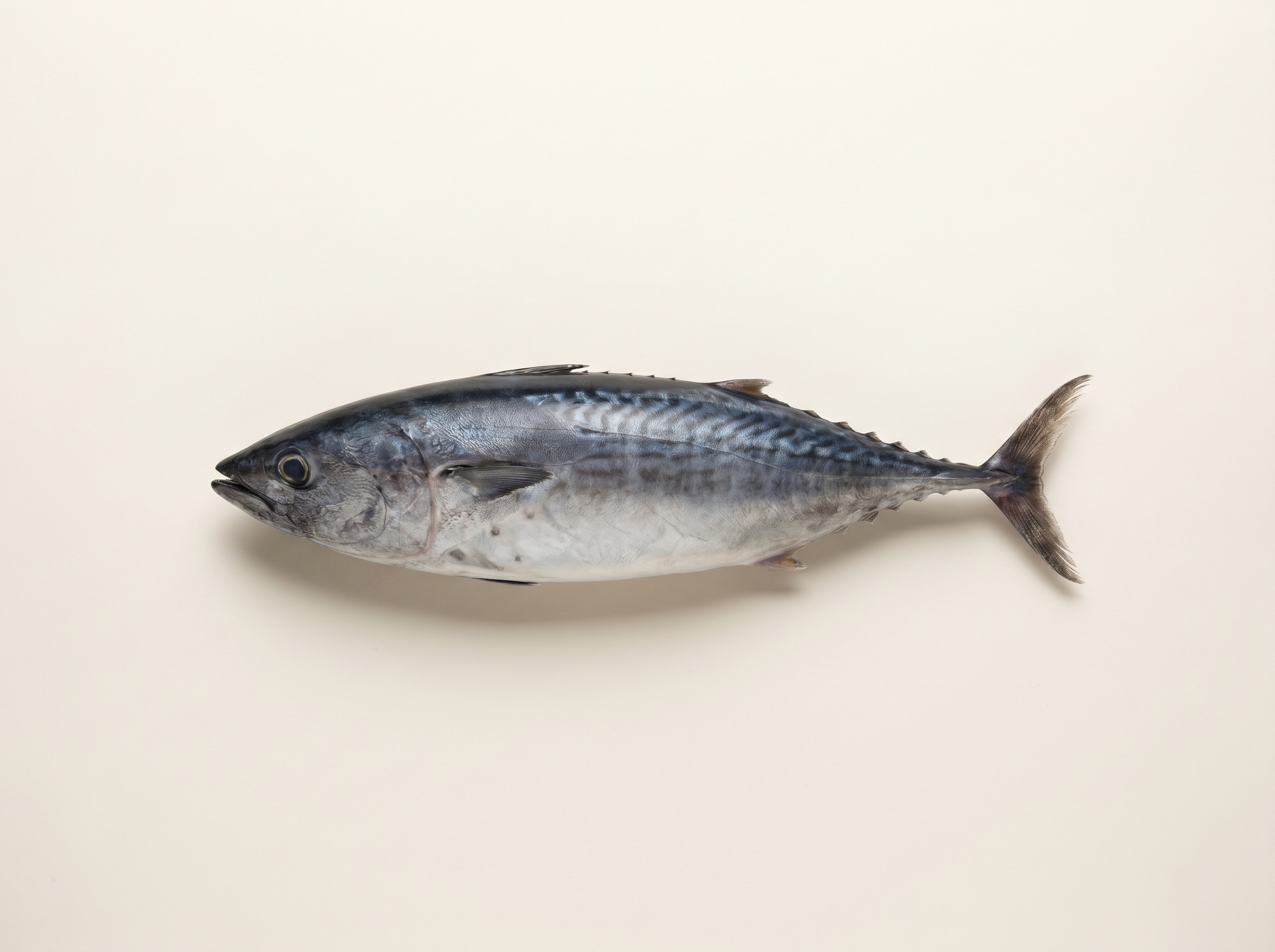
Bonito
Atlantic bonito (Sarda sarda)
Lane 1
Trophy
Size5–15 kg
SeasonLate Aug–Nov
WhenDawn (peak), dusk
Hit rate1 strike per 4–6 sessions
LegalMin 25 cm · bag limit applies — verify Decreto
Rod3.0–3.6 m fast-action shore spin, 40–80 g
Reel4000–5000 sealed-drag spinner
Line0.20 braid + 0.40 fluoro leader 1.5 m
RigDirect-tied 28–30 g metal jig
LureCompact metal jig (silver/blue/pink), stickbait
Watch for diving gulls. Fast retrieve with rod-tip twitches. Tuna family — eat fresh, don't freeze.
Lane 1
Trophy
Size3–15 kg, trophies 25 kg+
SeasonAug–Nov
WhenDawn / dusk
Hit rateLow — present with bonito
Legal~45 cm rec. · bag limit applies — verify Decreto
Rod3.3–3.6 m heavy shore spin, 60–100 g
Reel5000–6000 sealed-drag, strong gearing
Line0.25 braid + 0.50 fluoro shock leader
RigStickbait or large metal slug
LureSurface stickbait, 30–60 g metal
Hardest-fighting shore predator in Málaga. Long runs. Rod will load to the corks.
Lane 1
Trophy
Size2–5 kg
SeasonAug–Oct
WhenDawn / dusk
Hit rateOpportunistic with bonito
LegalNo EU min size · release breeders, keep eaters
Rod3.0–3.3 m shore spin, 30–60 g
Reel4000 spinner
Line0.18–0.20 braid + wire leader
RigMetal jig or stickbait + 20 cm wire
Lure20–30 g metal, small stickbait
Razor teeth — wire leader mandatory. Will cut through 50 lb fluoro.
Jurel
Atlantic horse mackerel / scad
Lane 1
Lane 2
Quantity
Kid
Size100–500 g, occasional 1 kg
SeasonYear-round, schools spring–autumn
WhenDawn, dusk, night under lights
Hit rateVery high — schools, dozens possible
LegalMin 15 cm · counts toward 4 kg/day total
Rod2.4–3.0 m light spin or sabiki on light beach rod
Reel2500–3000 spinner
Line0.10–0.14 braid + 0.20 fluoro
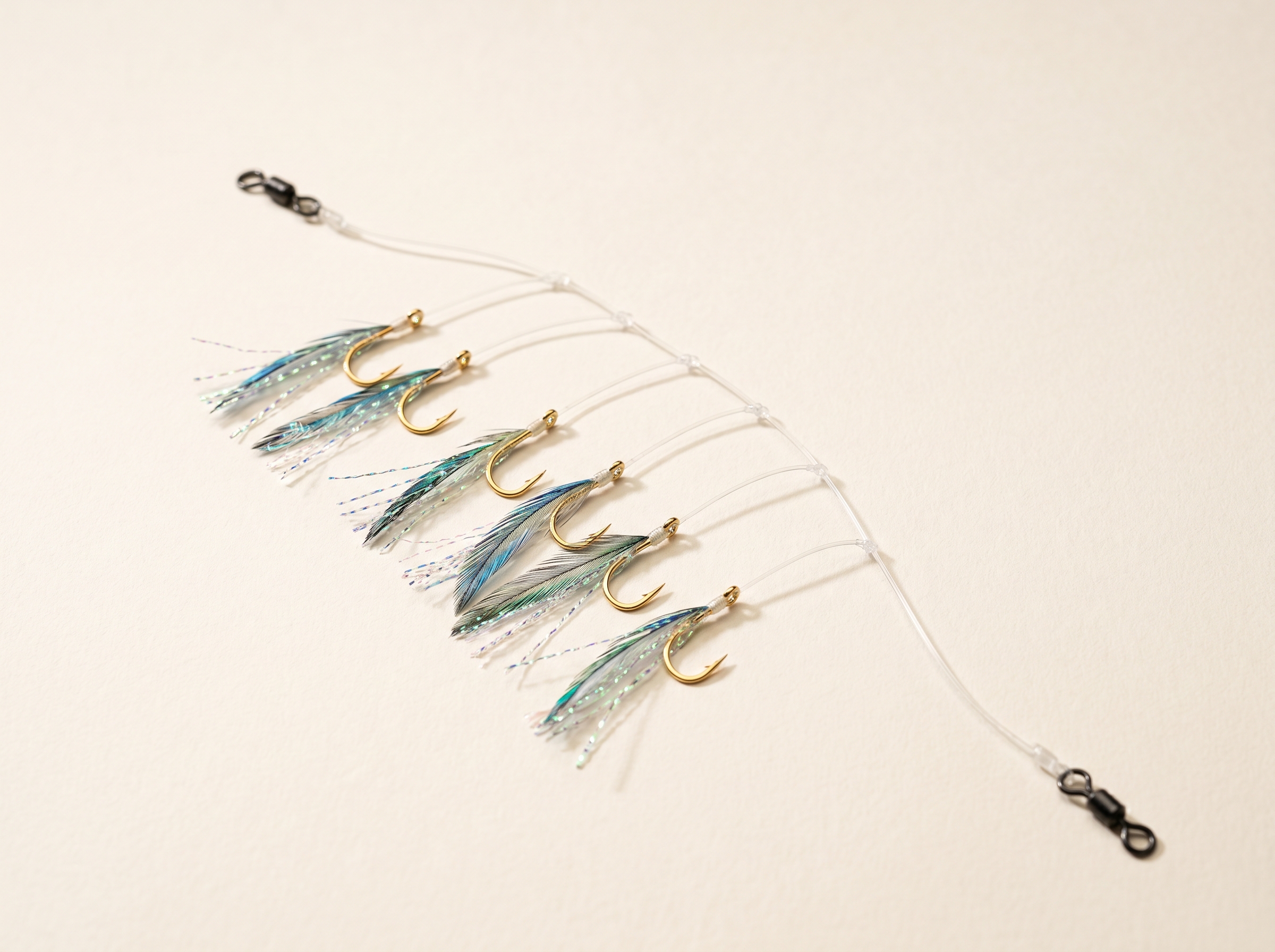
RigSabiki rig (size 8) or 7 g jighead + small soft plastic
BaitSabiki feathers, small jigs, tiny strip bait
The Phase 1 fish. Sabiki near jetty rocks at dusk = nonstop kid action.
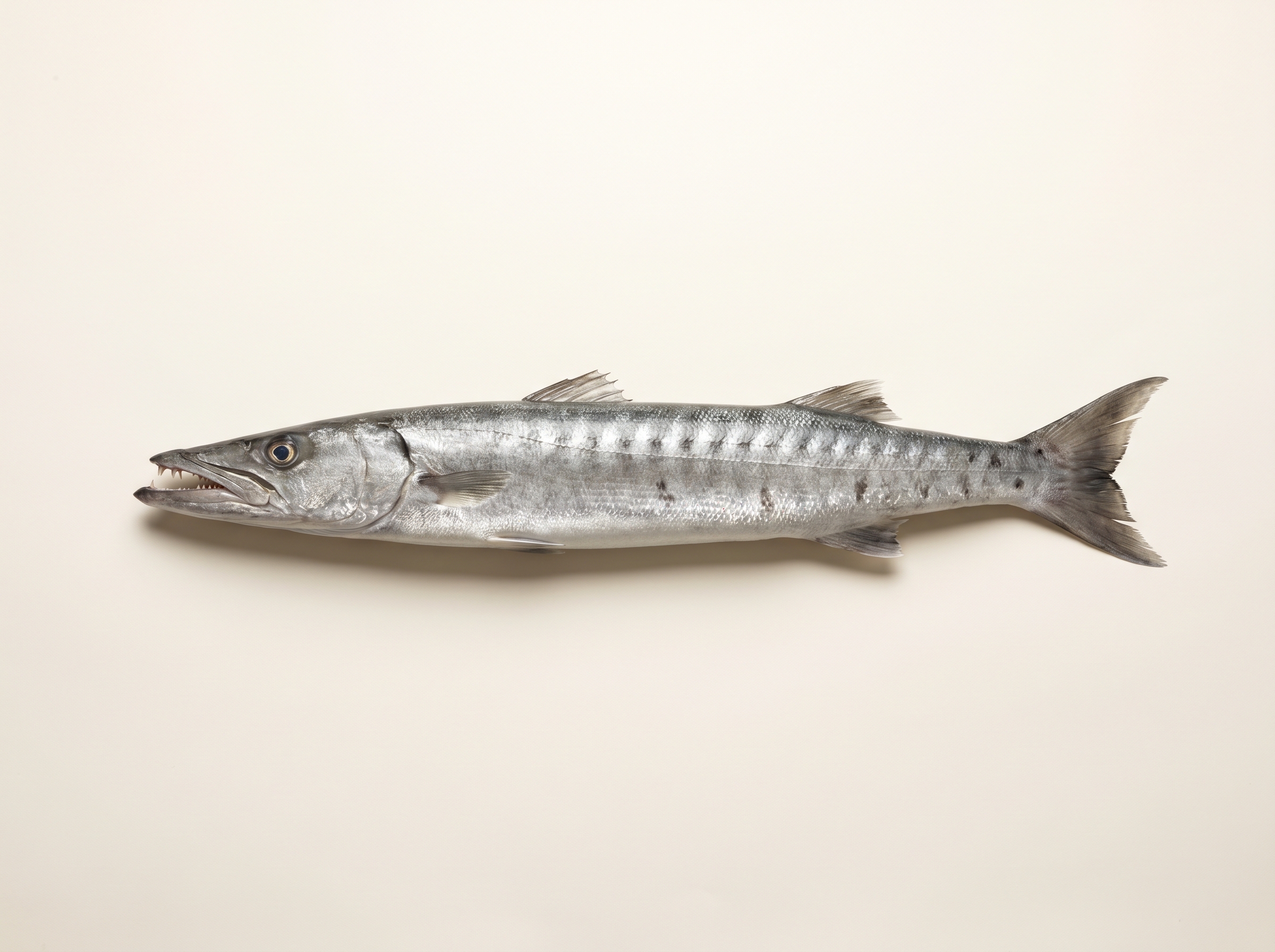
Barracuda
Mediterranean barracuda
Lane 1
Trophy
Size2–6 kg, trophies 10 kg+
SeasonSep–Dec
WhenDusk especially
Hit rateLow — opportunistic
LegalNo formal min · release recommended (slow grower)
Rod3.0–3.3 m shore spin, 30–60 g
Reel4000 spinner
Line0.18 braid + wire leader
RigStickbait or shallow-running plug + 30 cm wire
LureStickbait, slim swimmer, slow-rolled metal
Teeth like lubina × 5. Wire leader, period. Strikes are violent and visible.
Melva
Bullet / frigate tuna
Lane 1
Quantity
Size1–3 kg
SeasonAug–Oct
WhenDawn / dusk
Hit rateModerate when in — mixed with bonito schools
LegalNo formal min · counts toward 4 kg/day total
RodSame as bonito — 3.0–3.6 m spin, 40–80 g
Reel4000–5000 spinner
Line0.20 braid + 0.30 fluoro
RigSmall metal jig
Lure14–20 g metal, small jigs
Bonito's smaller cousin. Real tuna family. Same techniques scaled down — eats well fresh.
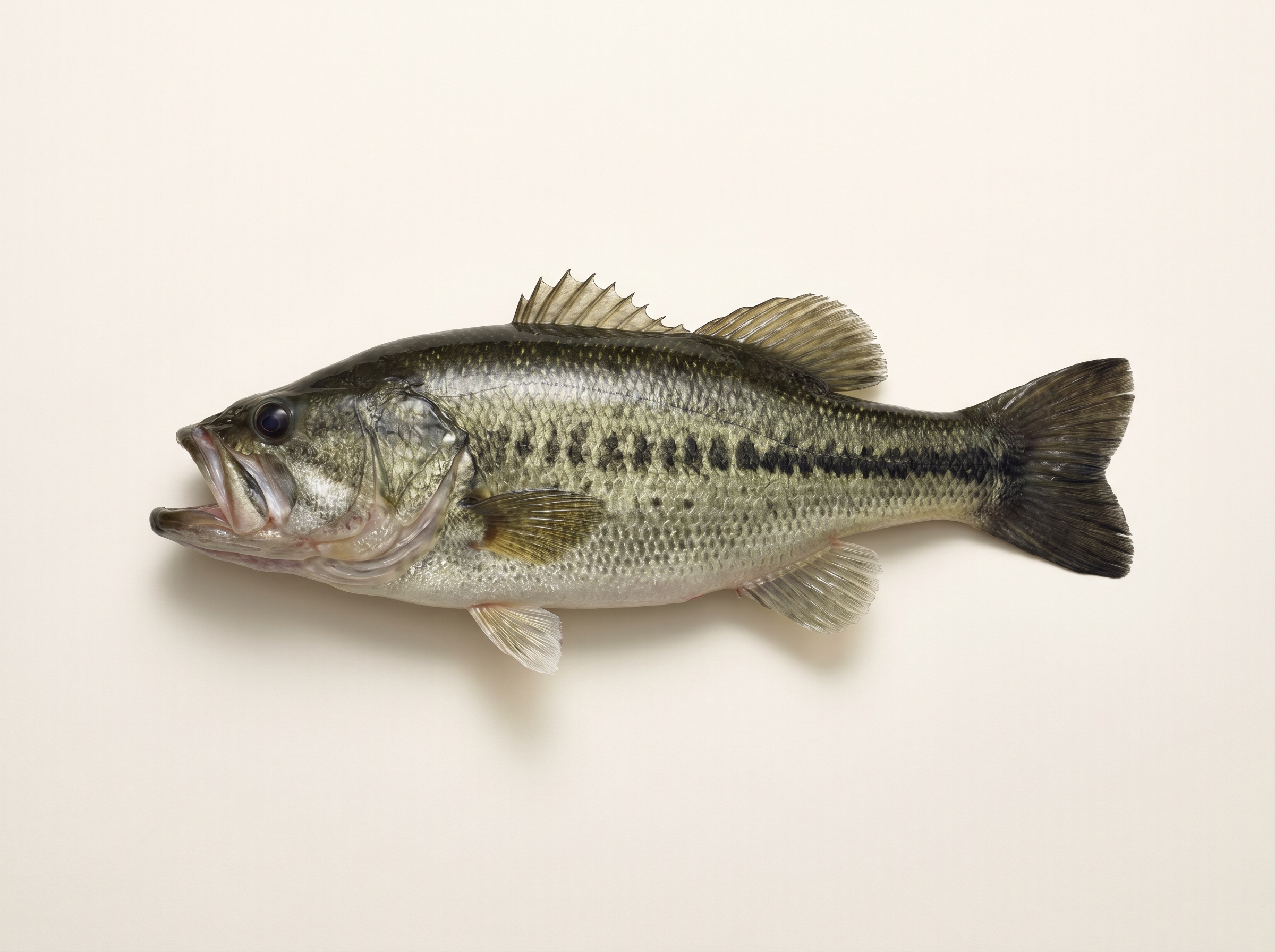
Lobina (negra)
Largemouth black bass
Lane 3
Quantity
Kid
Size0.5–2 kg, occasional 4 kg
SeasonSpring + autumn peak
WhenDawn, dusk, cloudy days
Hit rate3–8 per session at Viñuela in season
Legal~21 cm · reservoir license required · verify Andalucía inland regs
Rod2.1–2.4 m light bass spin, 5–20 g
Reel2500 spinner
Line0.15 braid + 0.25 fluoro leader
RigTexas rig, Carolina rig, jighead, topwater
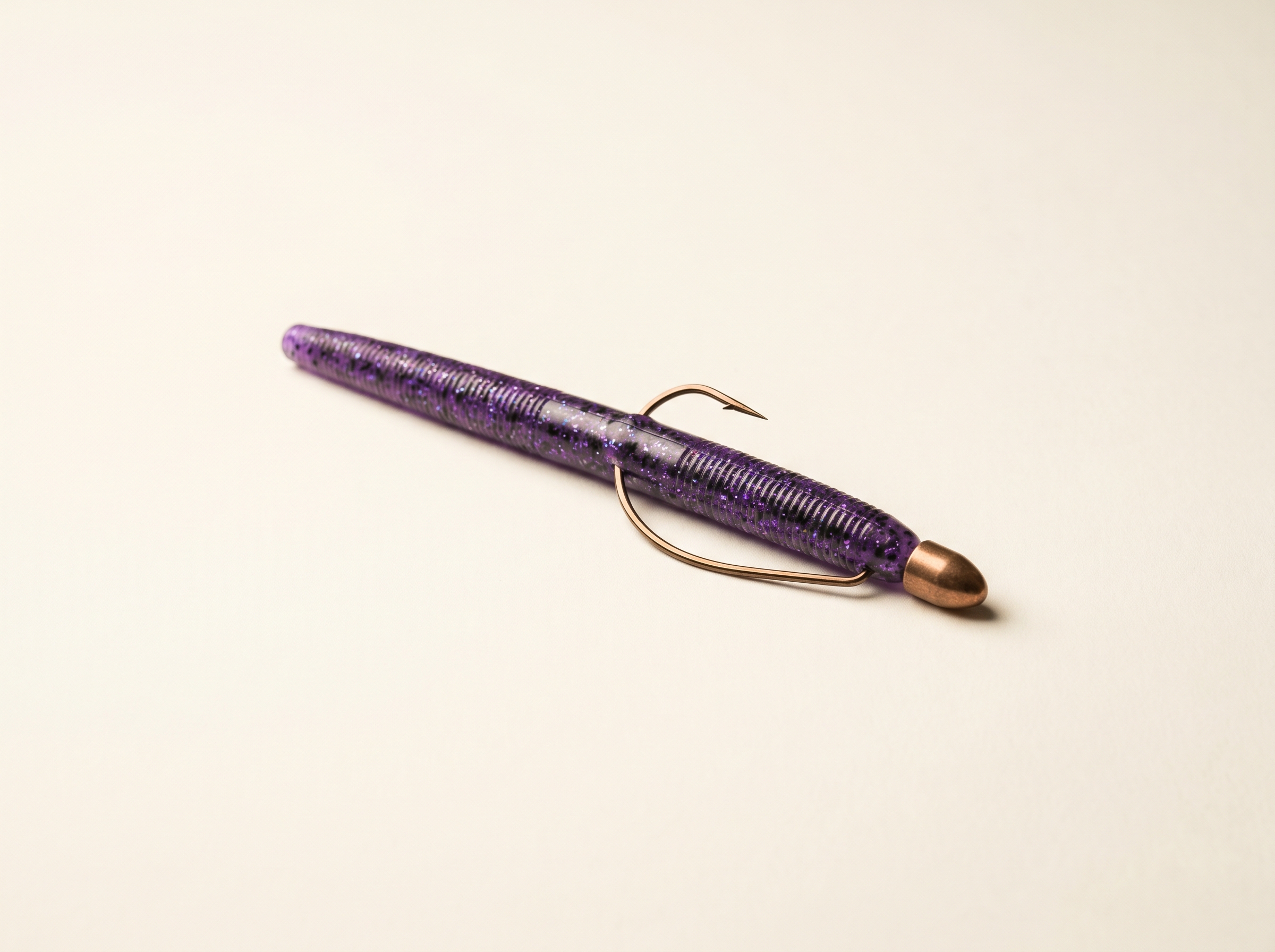
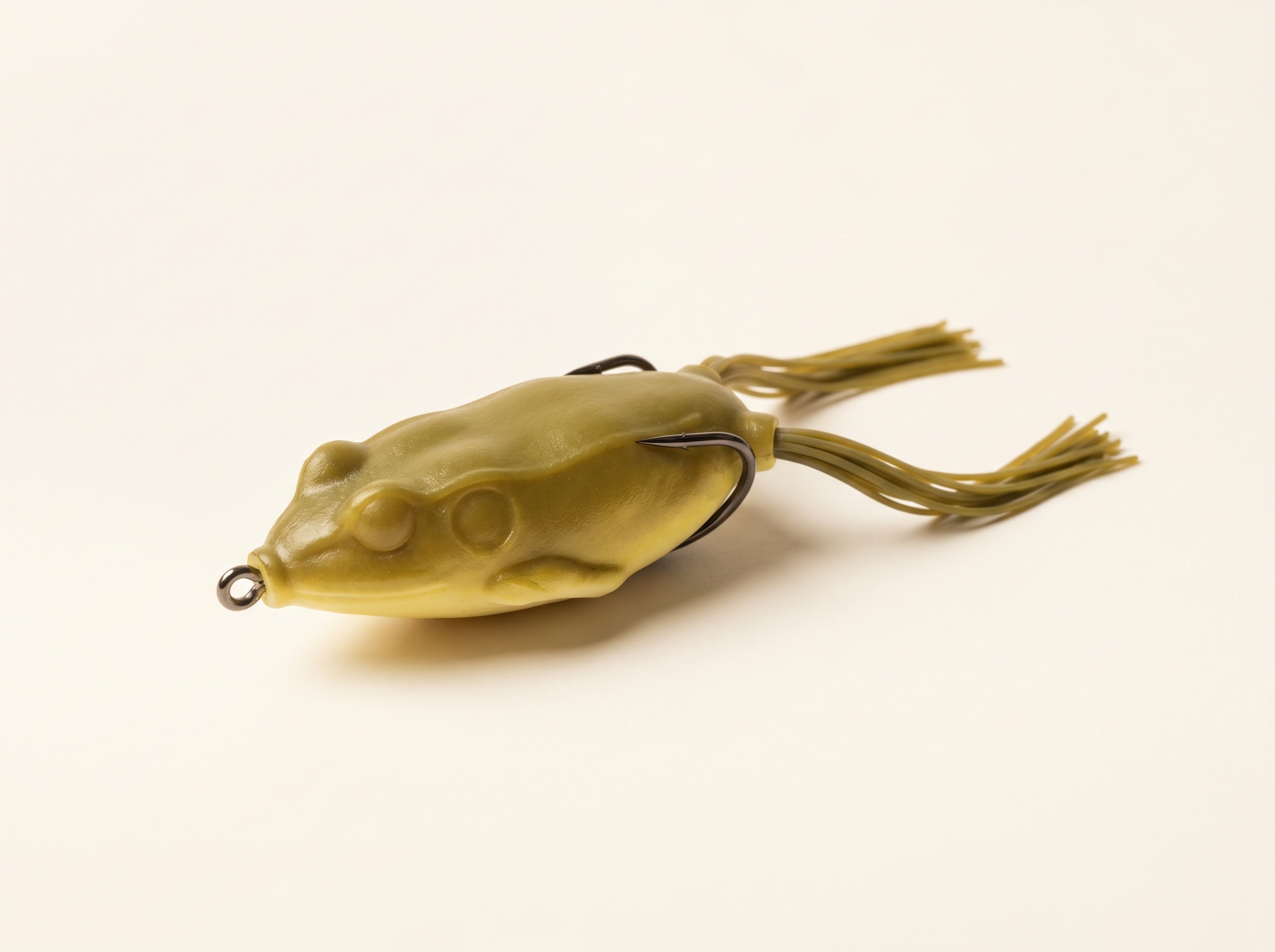
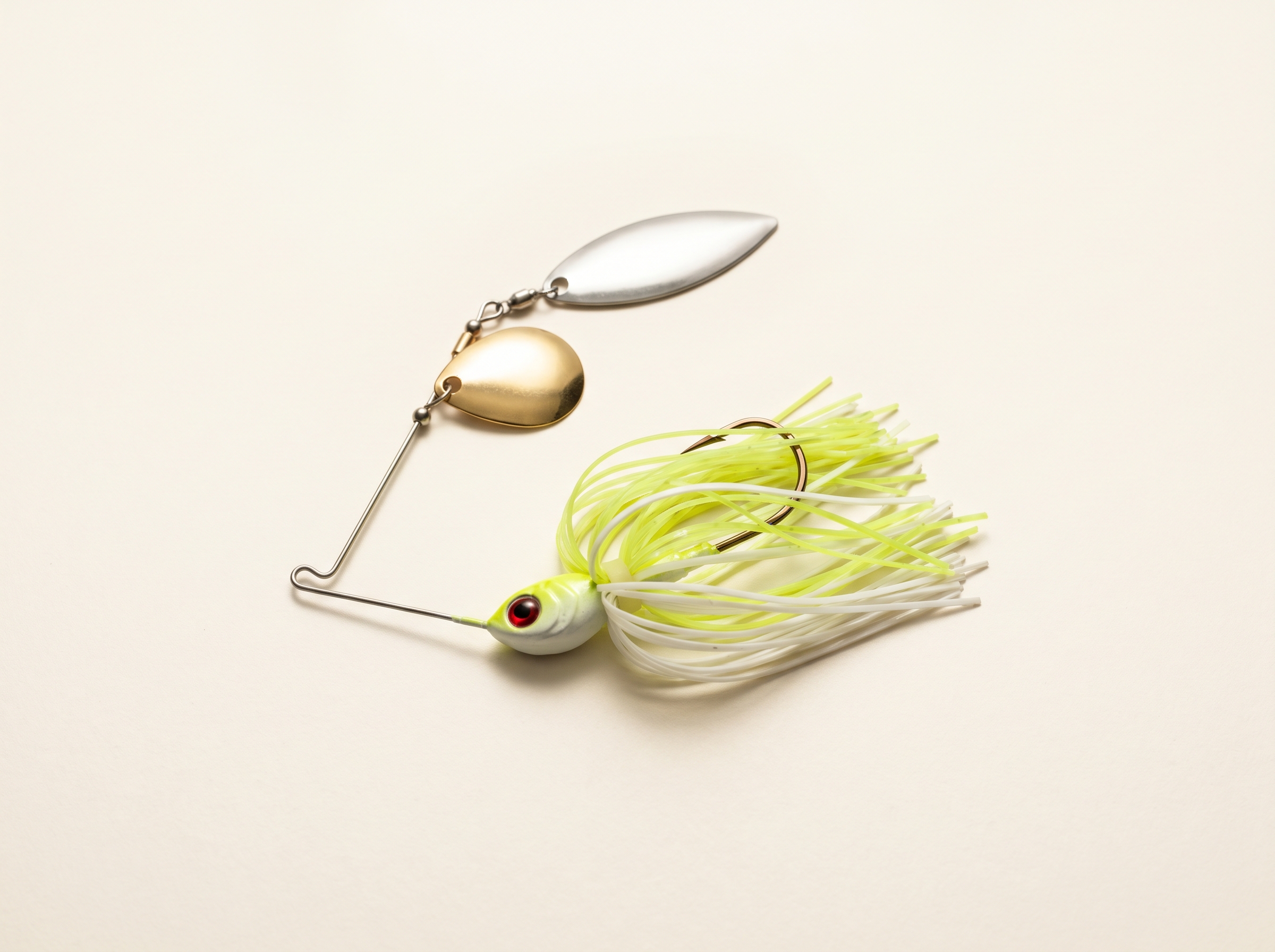
LureSoft plastic worm, jerkbait, frog, spinnerbait
No saltwater hazards. Reservoir license required (Lane 3). Calm-water casting practice for kids.
Lane 3
Trophy
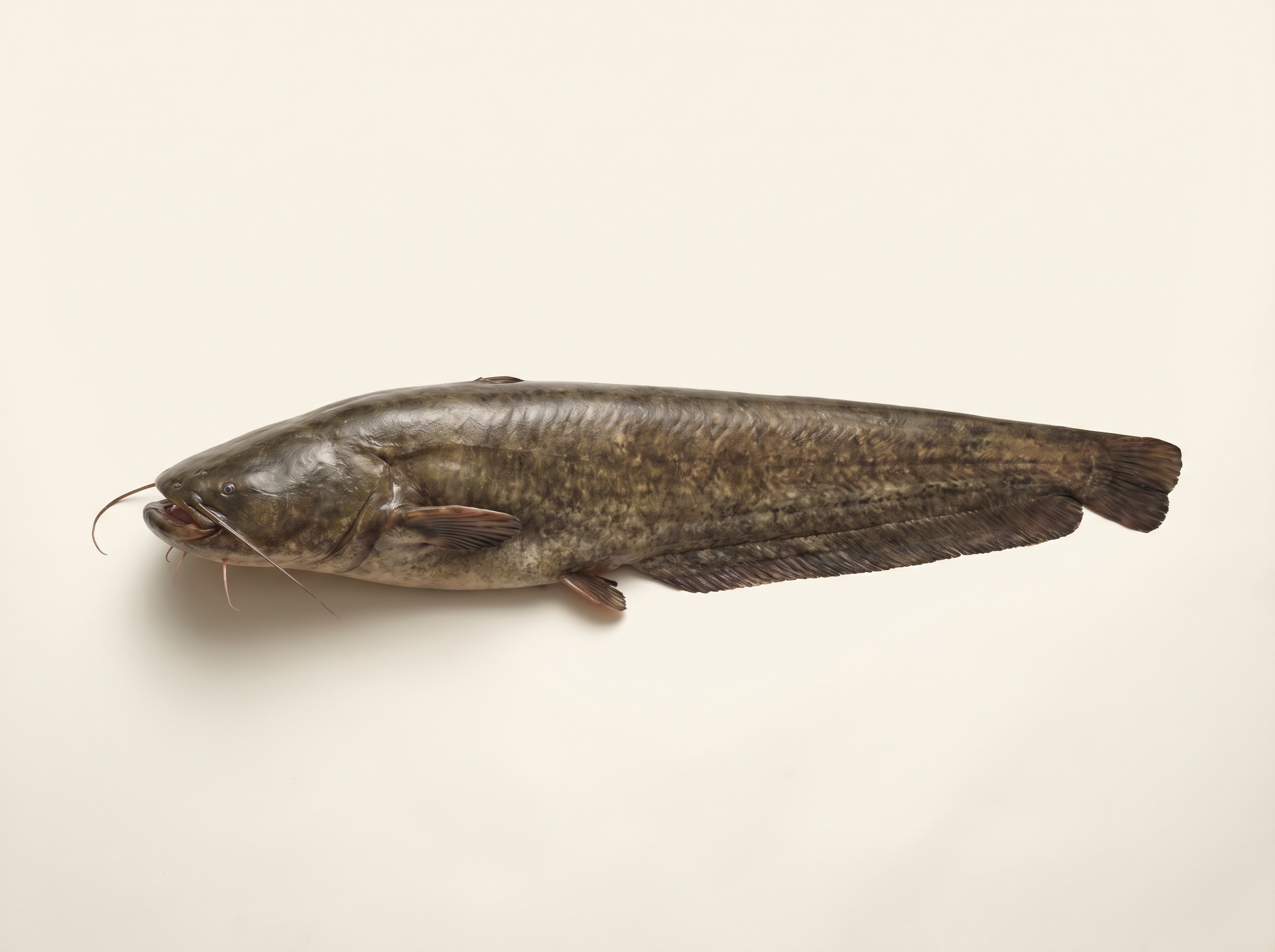
Size5–30 kg, monsters 80 kg+ possible
SeasonSpring–autumn, warm water
WhenNight, dawn
Hit rate0–1 per session — but possibly massive
LegalInvasive species · do NOT release — kill humanely
Rod2.4–3.0 m heavy catfish spin, 100–200 g
Reel8000+ size, strong drag
Line0.40 braid + 0.80 mono leader
RigRunning ledger, treble + circle, big bait
BaitLive carp, large dead-bait, pellet boilies
Cycling-class fish. Bring backup gear. Catch and release the big ones.
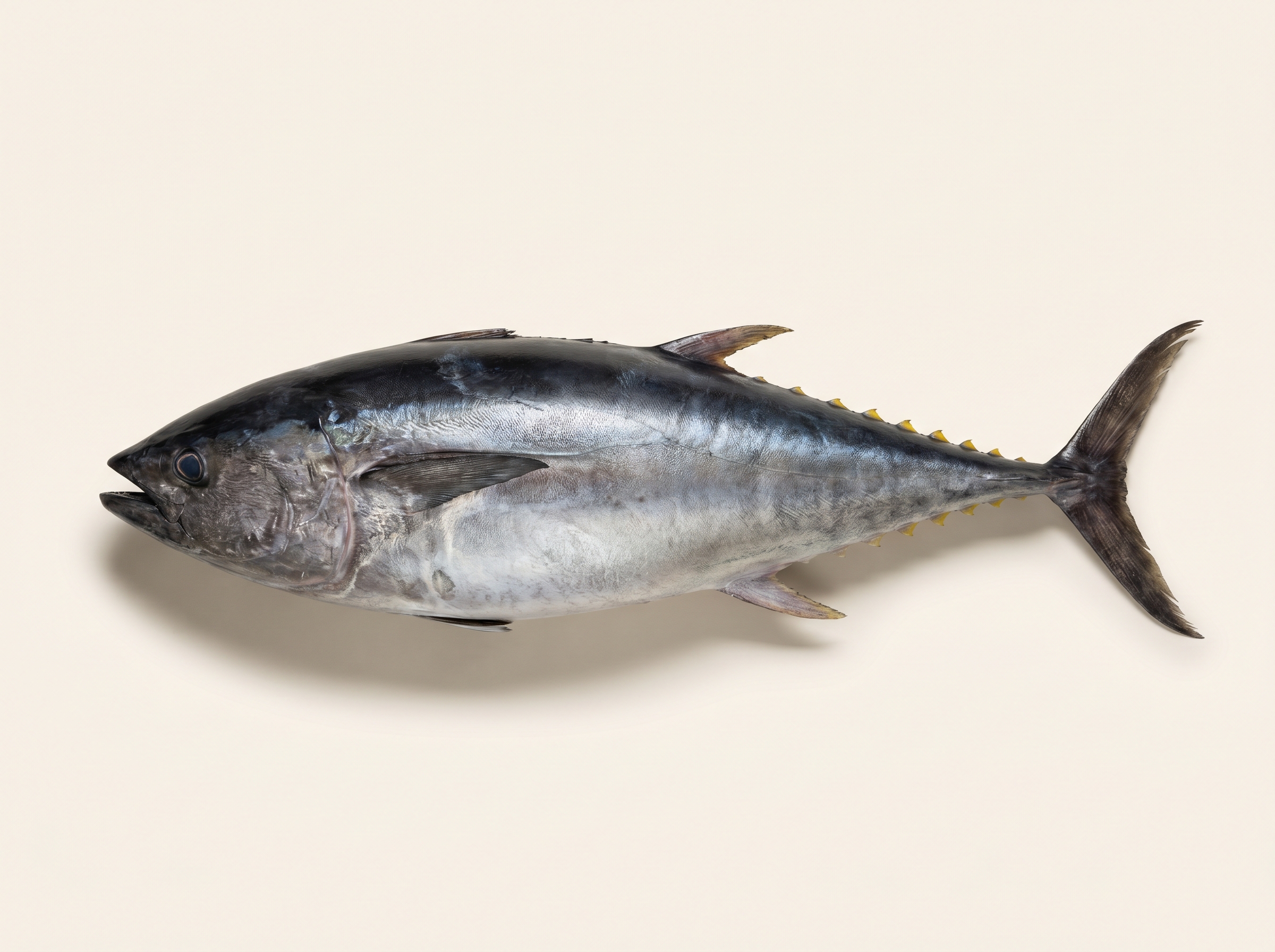
Atún rojo
Atlantic bluefin tuna
Tarifa special
Trophy
Size50–300 kg+
SeasonApr–Jun, Oct–Nov (Strait migrations)
WhenDaylight, watch for surface activity
Hit ratePilgrimage trip — very low
LegalSpecial bluefin permit required · catch & release default
Rod3.0–3.3 m heavy popping rod, 80–150 g
Reel14000–18000 high-end (Stella SW, Saragosa)
Line0.40 braid + 100 lb fluoro leader
RigDirect-tied stickbait or popper
Lure80–150 g pencil baits, poppers
Special permit required. Tarifa / Punta Paloma / Cabo de Plata. ~90 min west of Málaga. Mostly catch-and-release.
No fish match those filters. Try widening your selection.